Driving Physics Revamp in ATS 1.58
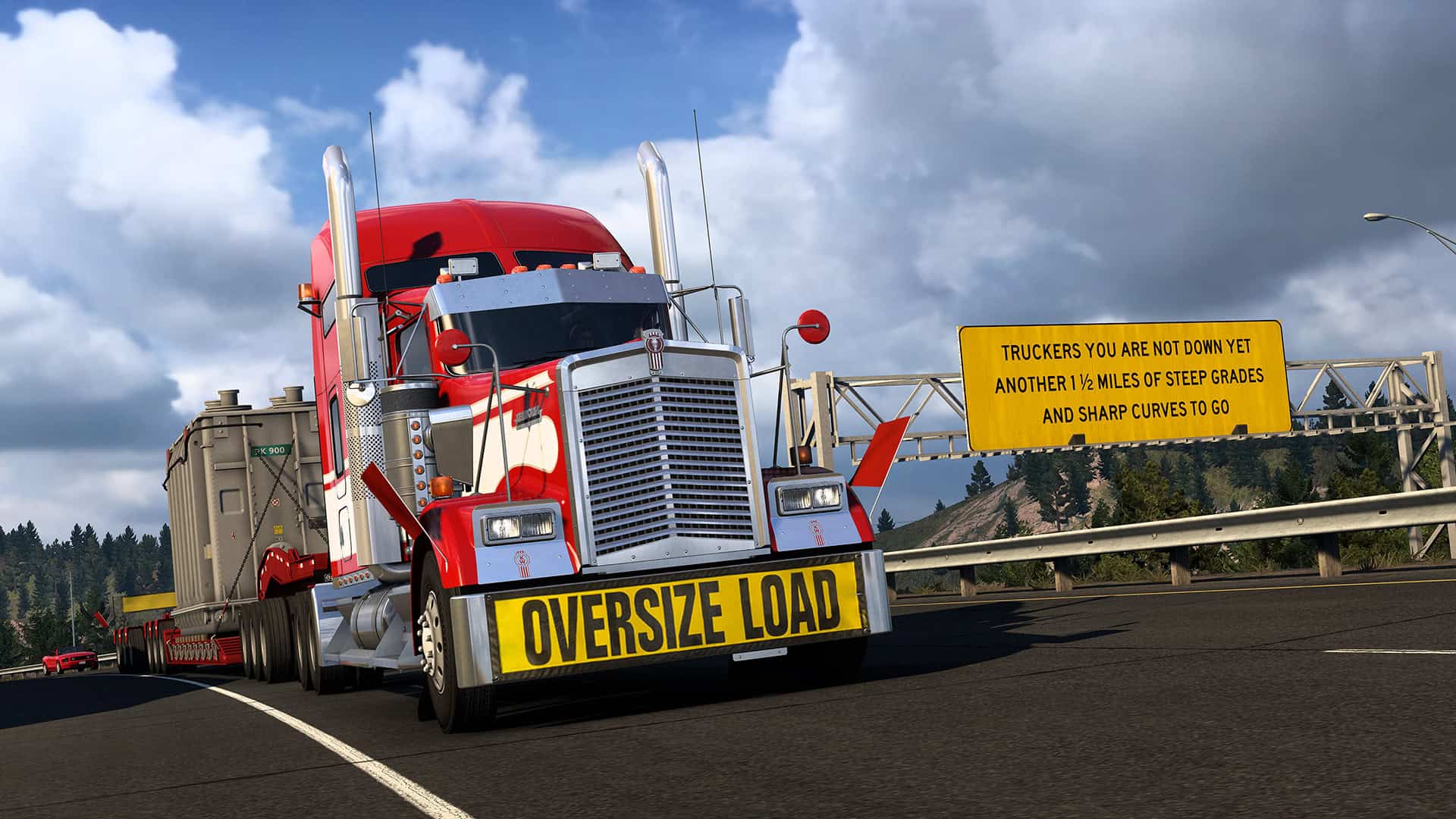
With update 1.58, American Truck Simulator rolls out a deep technical revision focused on how trucks behave on the road. This is not a visual upgrade or map expansion. Instead, it targets the systems that control acceleration, traction, suspension movement, and surface contact.
The intent is simple: make every input feel more consistent, especially during long distance hauling and heavy cargo runs.
Smoother Power Delivery
Engine performance has been recalibrated using a revised torque curve. Acceleration now builds in a more progressive way, which changes how trucks respond when pulling away from traffic lights or merging onto highways. Rather than an abrupt surge of power, throttle input translates into steadier forward motion.
Engine braking and coasting behavior have also been tuned. Releasing the throttle results in a more gradual loss of speed, particularly noticeable when descending slopes. Hill starts benefit from improved stability, reducing unwanted rollback on inclines.
Keyboard users receive additional control through an optional input mode that separates light acceleration from full throttle activation, helping maintain steady cruising speeds without relying on analog controls.
Suspension and Terrain Feedback
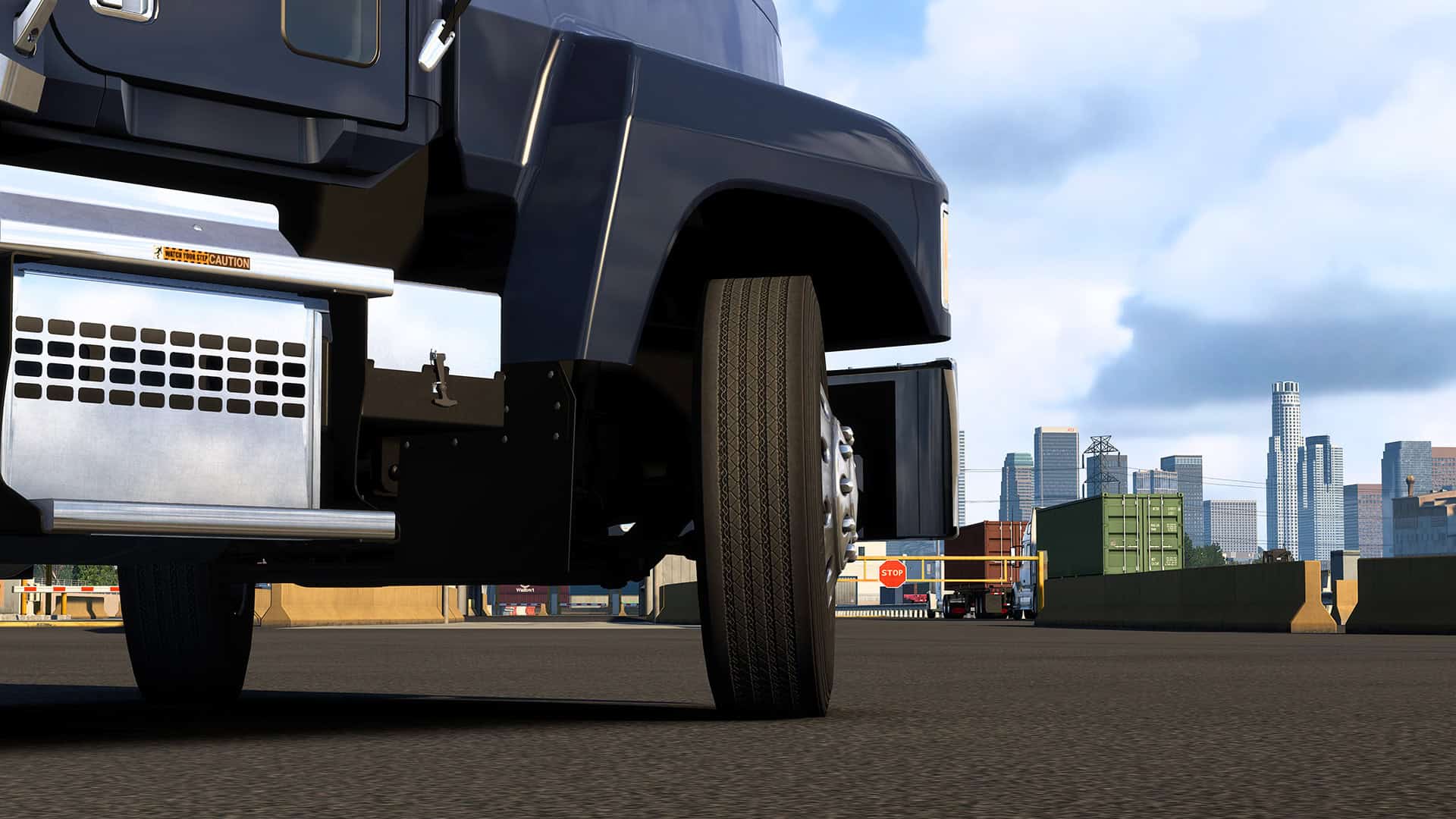
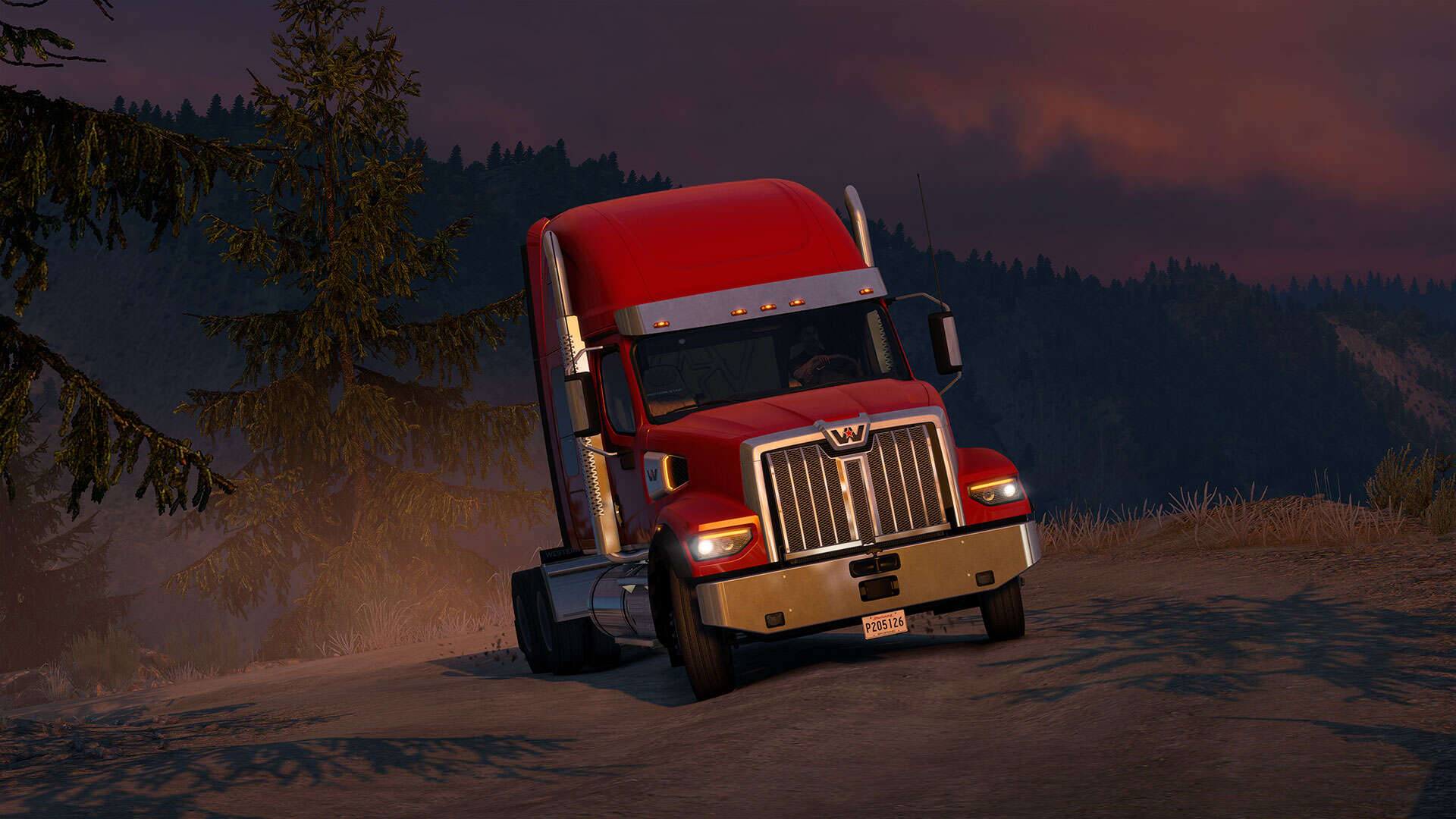
The update introduces subtle mechanical refinements to how wheels and axles react under load. When driving over uneven pavement or transitioning onto gravel and dirt surfaces, suspension movement now reflects weight distribution more convincingly.
Steering response at lower speeds feels tighter and more controlled, which helps during parking maneuvers, depot entries, and narrow service roads. These refinements may not stand out immediately, but over longer sessions they contribute to a more grounded feel behind the wheel.
Simulation communities often value these mechanical details. In other large scale titles such as Kingdom Come: Deliverance II, discussions around customization frequently extend beyond visuals. Conversations about Kingdom Come Deliverance 2 Mods often explore realism adjustments, combat balance, and environmental interaction systems. Although the genres differ, both player bases tend to focus on how underlying systems influence immersion rather than surface level presentation.
Reworked Road Collision System
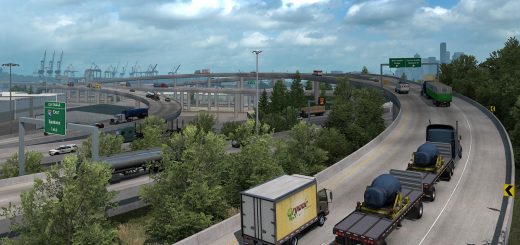
Another major improvement lies in the road collision meshes. Many highways and connecting routes across the map have been rebuilt at the technical level. Previously, certain curves or elevation changes could cause minor inconsistencies in tire contact.
The revised collision data smooths those transitions. Trucks maintain steadier contact with the road surface during long bends and elevation shifts, which improves predictability at higher speeds. Older stretches of interstate now align better with the physics standards of newer content.
Strengthening the Core Driving Experience
This overhaul does not change cargo systems or introduce new vehicle categories. Instead, it strengthens the foundation of the simulation. By refining throttle behavior, suspension response, and collision geometry, the update enhances the overall driving loop without altering its identity.
For players who spend hours on cross state deliveries, those incremental improvements accumulate into a noticeably more stable and cohesive experience on the road.